
A Checklist for Visiting Sea Caves and Hidden Coves Safely
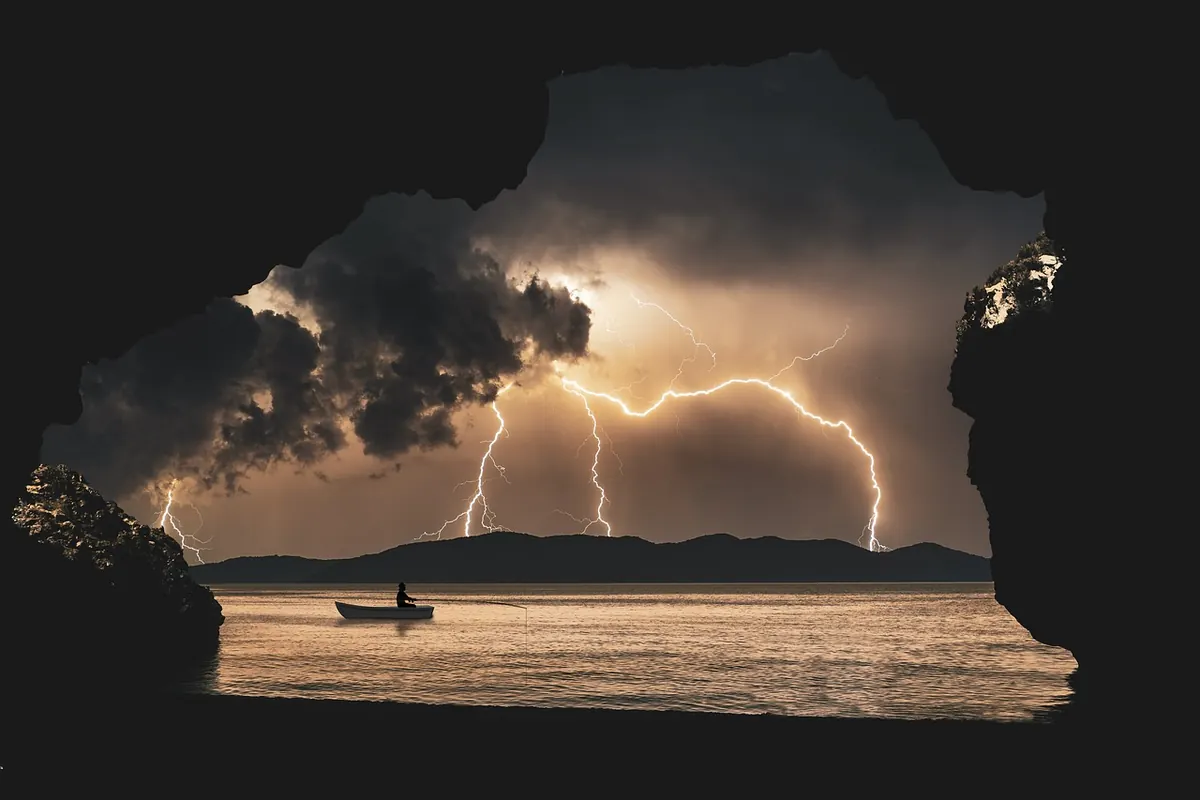
Sea caves look easy from the beach. There is the dark mouth in the cliff, the green light glowing inside, the small cove that exists only for an hour either side of low water. It all seems to invite you in. Then the swell shifts, the tide turns, or a motorboat comes round the point, and the calm picture rearranges itself. None of that is a reason to stay on the sand. It is a reason to check a handful of things first, in a sensible order, before you get wet.
Start With the Tide Table, Not the Map
The tide is the single biggest variable in any cave visit, and it is also the one thing you can predict precisely. Look up the tide table for the nearest port before you plan anything else — not the general region, the nearest port. Local shapes matter: a headland can shift the timing by half an hour or more, and the difference between a spring and a neap tide can turn a walkable cove into a swimming pool.
In the Mediterranean the tidal range is often small, which makes caves feel forgiving; on Atlantic and Channel coasts a range of several metres is normal, and a cave floor that is dry sand at noon can be chest-deep by three. Plan backwards from the water, not forwards from your arrival time. If you want an hour inside, arrive with enough margin to leave an hour before the tide reaches the point where it would block you.
The seaweed line tells the truth
Before you commit, find the high-water mark on the rocks: the line of dry weed, salt crust, or pale barnacle-free stone. That line is what the sea did last time it was high. If it sits well above your head at the cave entrance, you know exactly what you are gambling with. Also watch for the small signs that the water has already been where you are standing — wet patches on dry-looking rock, floating weed at the back of a cove, a dark damp band on a cave wall.
Read the Swell and the Wind, Not Just the Sky
A blue-sky day can still have dangerous water. Long-period swell generated by a storm hundreds of kilometres away arrives without any local wind at all, and it is exactly the kind of swell that surges into cave mouths and washes people off ledges. Check a marine forecast, not a beach forecast, and look at swell height, swell period, and wind direction.
Two combinations deserve particular caution. Offshore wind feels lovely on the sand, but it pushes swimmers and paddleboards out to sea and it can make the water look flatter than it is at the cave entrance. Wind against tide chops up the water in the gap between two headlands, which is often precisely where the cave sits. If the forecast mentions small craft advisories or gale warnings, believe it and pick a different plan. Rainfall matters too: runoff after heavy rain can reduce visibility and cool the sea, and cliffs shed loose rock when saturated.
Boat Rules: Charters, Kayaks and Your Own Hull
Most cave accidents involving boats come from two things: wake where people are swimming, and an engine running close to rocks. If you are on a charter or a water taxi, ask who is driving and whether they hold the local permit for the area. In many coastal parks, motorboats are restricted near shore, within marked swimming zones, and inside cave mouths. Respect the speed limits in coves; a wake that seems modest from the helm can slam a swimmer against a cave wall.
If you are paddling, agree the order before you go in, and go one at a time with someone waiting outside. A simple sequence works well:
- Stop outside the entrance and watch two full wave sets. If the swell is breaking across the mouth, do not enter.
- Send the strongest paddler in first to check depth, clearance and the far end.
- Keep spacing of several boat lengths, hands and paddles inside the hull line, helmet on.
- Turn around before the back of the cave, and exit bow-first rather than being pushed sideways by the surge.
- Agree a signal for "come out now" — three short whistle blasts is a common one — and use it without debate.
Never jump from a boat into a cave to swim, and never swim into a cave while a boat is manoeuvring at the entrance. If you are in your own small boat, keep the engine in neutral or off when close to swimmers and rocks, and anchor on sand rather than on seagrass beds.
Be Honest About Your Swimming Ability
Distances shrink from the cliff path. A 60-metre swim to a cave mouth looks trivial from above and feels very different in cold water with a swell running. Ask yourself three questions: can I tread water comfortably for a few minutes without holding anything? Can I get out onto a rock ledge without a ladder or steps? And can I turn around and swim back if conditions change halfway?
If any answer is uncertain, take a guided swim, use a tow float, or stay outside with a mask and snorkel and enjoy the entrance. Cold water shock is real and it hits quickly; a wetsuit or thermal top buys you useful time. Swim with a buddy, keep a mask and fins if you have them, and stay out of a cave when the surge is pushing you toward the walls. If you have a heart or respiratory condition, or you are recovering from illness, get proper medical advice before cold-water swimming.
Protected Areas and the Rules That Keep Caves Wild
Sea caves are often the most regulated places on a coastline for good reason. Many sit inside marine protected areas or national parks, where landing may be banned, drone use restricted, and access limited by permit or season. Cliffs above caves are nesting sites for seabirds in spring and early summer, and a boat nudging close can cause birds to abandon chicks. Caves with bat roosts should not be lit with bright torches.
Check the local park authority's rules before you travel, not after. If a sign says no landing, there is a reason, and it is usually about the thing you came to see. Beyond the official rules: don't touch or collect anything, keep noise low inside caves, and leave the dry upper zone of a cave alone — that is where delicate formations and archaeological deposits sit.
The Kit List and the Plan You Leave Behind
- Tide table for the nearest port, downloaded so it works without signal
- Marine forecast, checked the evening before and again that morning
- Helmet and head torch for kayakers; a waterproof torch for swimmers
- Whistle, and a phone in a waterproof pouch (or a handheld VHF if you have one)
- Warm layer, water shoes with grip, sun protection, drinking water
- Tow float or buoyancy aid, plus basic first aid and a foil blanket
Then leave a float plan with someone: where you are going, which cove, when you expect to be back, and who to call if you are not. It takes two minutes and it is the cheapest safety equipment there is.
Set a Turn-Back Point Before You Leave
Decide, on dry land, the three numbers at which you will call it off: a tide height, a swell height, and a wind speed. Write them down. In the moment, with the cave mouth right there and the water looking fine, judgement gets generous. A pre-set limit does not.
Choose a turnaround time and stick to it, and treat "we'll come back tomorrow" as a real option rather than a consolation. The cave is not going anywhere. Half the pleasure of these places is the sense that you only get a short audience with them — and the best way to earn another one is to come out of the water the way you went in.
Photo: ELG21 / Pixabay