
Should You Visit Islands in Shoulder Season? A Comparison of Spring vs Autumn
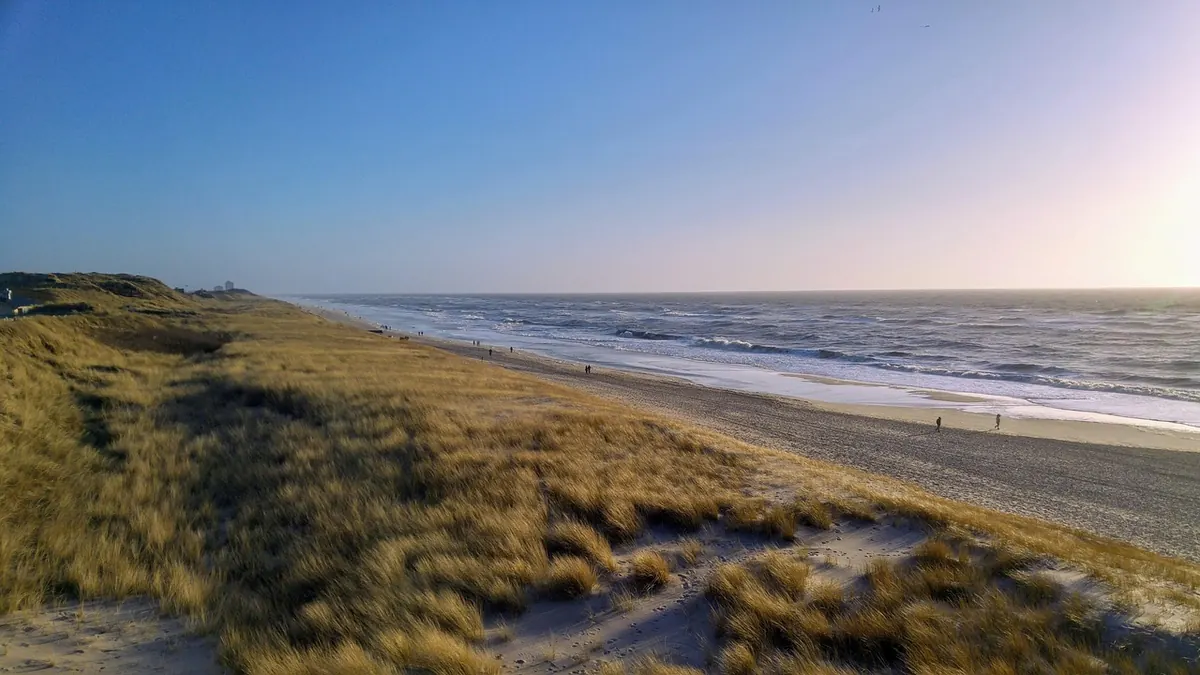
Shoulder season has become the standard advice for anyone who wants an island without the August crush. Fair enough. But spring and autumn get bundled together as if they were the same trip booked at opposite ends of the calendar, and they are not. One is an island waking up; the other is an island winding down. Ferries thin out in both, prices soften in both, and the light is generous in both. The differences hide in the details — water temperature, wind, what's actually open, and whether the place feels like it's preparing for something or recovering from it.
Weather: Two Different Kinds of Mild
Spring is a rising curve, and early spring is still winter with better lighting. March on most Mediterranean islands is unpredictable; April is a coin toss between sweater weather and genuine warmth; May is usually the sweet spot, though it can still throw a cool, windy week at you. What surprises people is how slowly the sea catches up. Air temperature climbs quickly once the sun is high, water temperature lags behind by roughly a month.
Autumn runs the other way. September often behaves like a slightly chastened summer — hot at midday, cooler at night, sea still holding the heat it gathered in July. October is the true transition month: warm, clear, and increasingly prone to the first proper storms. November is a gamble in the central Mediterranean and a poor bet further north.
The character of the weather differs too. Spring rain tends to arrive as brief, frequent showers; autumn rain comes in heavier bursts, then clears the air completely. Wind matters as well — the Aegean in spring can be gusty for days, and autumn gales in the Atlantic islands can ground ferries. If you're heading somewhere exposed, build slack into your plans rather than assuming a fixed schedule will hold.
Crowds and Cost: The Same Idea, Different Rhythm
Both shoulders are cheaper than July and August, but they empty out at different speeds. Spring bookings are driven by Easter, long weekends, and the first warm spell — a single sunny forecast can fill a small island for three days and then release it. Autumn has a longer, softer decline. September in many Italian and Greek destinations has quietly become a busy month, sometimes busier than June, because people are avoiding peak-heat crowds rather than peak-season prices. By the second week of October, the change is dramatic: half-empty ferries, tables available without a booking, and hotel rates that finally relax.
One caveat that catches people out in spring: not everything is open yet. Restaurants that closed in November may not reopen until Easter, or until the owner decides the weather justifies it. In autumn, the opposite problem appears — places close early, often without warning, as staff take their own holidays after a long season.
Ferry Schedules: Where the Seasons Really Diverge
This is the practical heart of the comparison. Island travel lives and dies by timetables, and the shoulder months are when the gaps appear. Spring is a period of expansion: routes restart, additional crossings are added, seasonal hydrofoils come back into service. Autumn is a period of contraction: fast boats stop running, frequencies drop from daily to a few times a week, and some inter-island links disappear entirely until next year.
Before you book anything, work through these checks:
- Is the route running at all? Smaller islands often lose their direct connections outside summer and require a change at a hub.
- Which boat? A slow conventional ferry may run year-round while the fast hydrofoil is seasonal — a two-hour crossing becoming five.
- Day-of-week gaps. Twice-weekly services can strand you for three nights if you misread the calendar.
- The last departure. Off-season timetables often end earlier in the afternoon, which rules out a late arrival by plane.
- Weather cancellations. More likely in both shoulders than in summer; keep a buffer day before any flight home.
Check the date-specific timetable on the operator's own site rather than a summer PDF you found in a search result. Schedules change in late spring and again in early autumn, and the changeover dates vary by route.
Swimming: The Sea Keeps Its Own Calendar
If swimming is central to your trip, autumn wins, and it isn't close. In much of the Mediterranean, the water is at its warmest from late August into early October, having absorbed heat all summer. A swim in the second half of September or early October can be the most comfortable of the year — warm water, cooler air, no scramble for shade afterwards.
What spring water actually feels like
May swimming is for the committed. The air may say 23°C while the sea says 18°C, which is bracing rather than relaxing. June improves steadily and is genuinely lovely by the end of the month. If you're travelling in April or early May and swimming is a priority, look at hotter, shallower locations — enclosed bays, lagoons, and southern latitudes — and treat a dip as a bonus rather than the plan.
Two things apply to both seasons. Off-season beaches usually have no lifeguards, so swim within your limits and avoid anywhere with a reputation for currents. And facilities shut down: sunbed hire, beach bars, and shower blocks often close with the season, so carry water, shade, and whatever you need.
Local Events and the Mood of the Island
Spring is defined by preparation and ritual. Easter is the big one across the Mediterranean — processions in Sicily and Malta, candlelit midnight services in Greece, family tables everywhere — and it's worth planning around rather than stumbling into. May brings flower festivals, saints' days, and the annual repainting of shutters and taverna chairs. The atmosphere is optimistic but slightly unfinished; some places are still getting ready for you.
Autumn is harvest season, and the calendar fills with food rather than religion. Grape harvest festivals in September, chestnut and mushroom fairs in October and November, and the olive harvest rolling on into early winter. Locals have more time to talk, and the rhythm is unhurried. The trade-off is that the island is closing behind you: a favourite swimming spot may already be empty, a restaurant dark.
Which Shoulder Suits You?
Choose spring if you want long daylight, wildflowers, hiking before the heat arrives, and the pleasure of watching a place come back to life. Accept that the sea may be cold, some businesses shut, and the weather changeable. Choose autumn if swimming, warm water, and a settled local rhythm matter more than daylight hours, and if you don't mind the odd storm and earlier sunsets. Autumn also suits anyone who wants the sea to themselves without the solitude of winter.
Before You Book: A Short Practical Checklist
Email or call your accommodation to confirm it is genuinely open for your dates — a live booking page is not proof. Book the return ferry when you book the outbound one, and add a buffer night before any connecting flight. Pack for two seasons in one bag: layers, a rain shell, and something warm for evenings. Carry some cash for the small islands, where off-season ATMs have a habit of being out of service. And resist over-scheduling. The real advantage of travelling in the shoulder months is that you can change your mind on a Tuesday and still find a bed on Wednesday. Build in the freedom you paid for.
Photo: winklerchristopher / Pixabay