
Best Coastal Escapes for a Car-Free Island Weekend
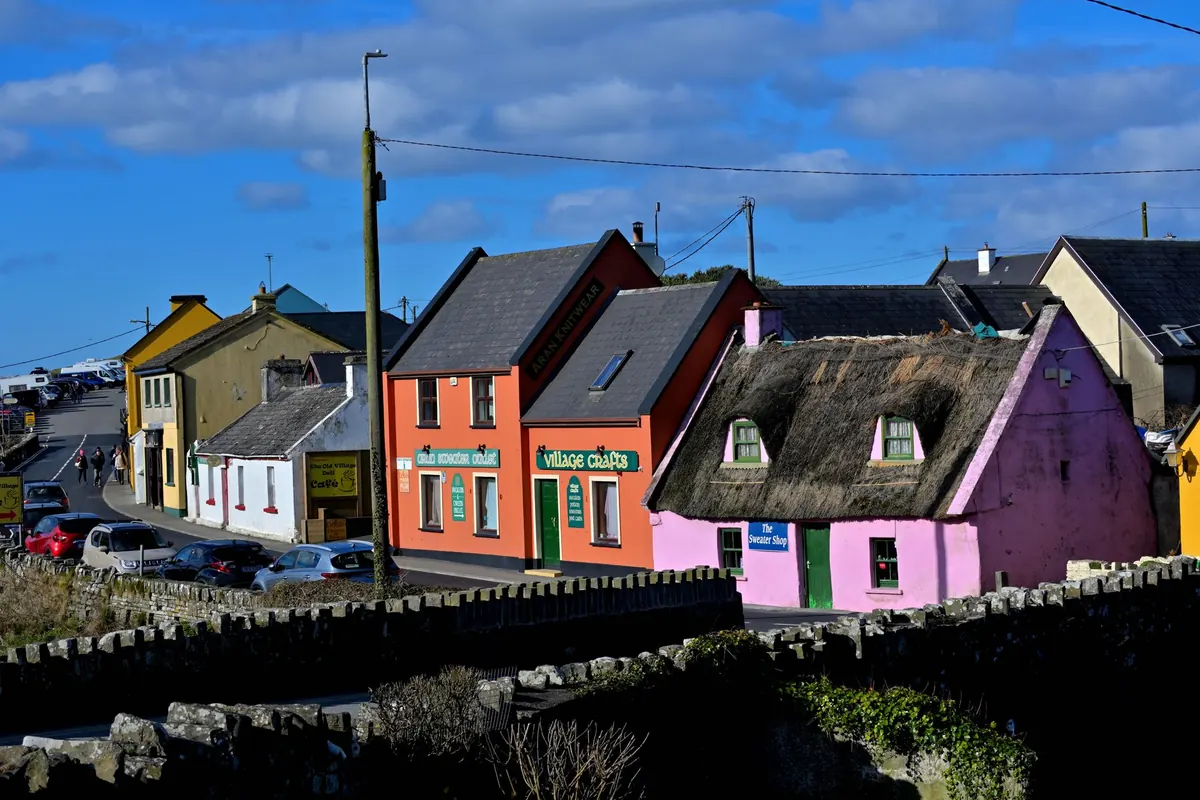
Most island weekends come apart at the same place: the rental desk. You collect a car, queue for the ferry, drive down the ramp, spend twenty minutes circling a village that was built for donkeys, and finally park behind a hotel. By the time you walk back to the harbour, the light has gone flat and the bakery has sold the good bread.
The alternative isn't martyrdom. A handful of islands are small enough, or organised enough, that the ferry can be the last vehicle you touch. Buses meet the boat, bikes are rented fifty metres from the ramp, and the coastal path starts where the gangway ends. These five reward the effort — with honest notes on how each one actually works over two nights.
First, Check the Island, Not the Photos
Car-free is a spectrum. Hydra has no wheeled vehicles at all; Procida has plenty of cars but you never need one. What matters is whether the practical geography suits a short stay: a harbour village with beds and food, a path or bus to the places you came for, and a timetable that doesn't strand you at dusk.
Before booking anywhere, work through the same five questions. They take ten minutes and save a weekend.
- How far is the bed from the ferry ramp? Under ten minutes on foot, ideally. Anything over that, and you need to know whether the road is flat and paved or stepped and cobbled.
- Does the last bus return after dinner? Check the operator's own seasonal timetable, not a booking site's summary. Shoulder-season schedules shrink sharply, and the last departure is often early evening.
- Where do bikes come from? At the port, at the campsite, or nowhere. On popular summer weekends, reserve ahead; small fleets run out by mid-morning.
- What happens when the wind picks up? Fast ferries cancel more readily than conventional ones. A morning crossing on your return day is safer than an evening one.
- Can you carry your own bag for half a kilometre? On stepped islands, a soft pack beats a wheeled case every time.
Hydra, Greece: An Island With No Roads at All
Hydra solved the problem by never building the roads. Everything arrives by sea and moves by mule, handcart or water taxi. The taxi rank, such as it is, stands in the shallows with its ears twitching.
The harbour is the town, the town is the harbour, and the only traffic is a line of mules waiting for the morning boat.
Ferries from Piraeus take a couple of hours, and the approach into the amphitheatre of stone houses is worth staying on deck for. Base yourself in or just behind the port, then walk. The coastal path west to Kamini and on to Vlychos takes in swimming rocks at Spilia and Hydronetta, a couple of tavernas, and enough ups and downs to make dinner feel earned. For beaches further round, take a water taxi from the harbour and agree a pickup time.
The one mistake to avoid
Booking a guesthouse high above the town because the terrace looked good. It will look good, and you will climb a hundred steps to it with a bag in the afternoon heat, then repeat the trip every time you want coffee. Stay low, walk everywhere, and let the donkeys handle the deliveries.
Procida, Italy: Small Enough to Cross on Foot
The smallest of the Phlegrean islands is the one to choose if you want an Italian harbour town without the ferry-terminal chaos of Capri. Hydrofoils run from Naples and Pozzuoli; the crossing is short enough to make a weekend feel generous rather than rushed.
From Marina Grande, where the boats land, the lanes climb and twist to Terra Murata, the old fortified quarter above the water. Below it sits Marina di Corricella, the fishing harbour that appears on every postcard — pastel houses stacked above boats, reached by stairways rather than roads. It's fifteen minutes on foot from the port if you take the right alley and half an hour if you don't, which is a reasonable way to spend an afternoon.
Buses loop between the port and the main hamlets, including Chiaiolella on the far side, where the beach is sandy and the water shallow. Bikes can be rented near the port, and the island is flat enough in the middle to make them genuinely useful rather than decorative. A day trip to Ischia is easy too: it has a frequent bus network of its own, so you can leave the rental car question closed for good.
The Dutch Wadden: Schiermonnikoog and Vlieland
Both islands keep visitors' cars on the mainland, which means the ferry port doubles as a car park and the island itself belongs to bicycles. You park at Lauwersoog for Schiermonnikoog or Harlingen for Vlieland, walk on, and pick up a rental bike at or near the terminal.
Schiermonnikoog is the quieter of the two: one village, a long thin island, wide beaches on the seaward side and mudflats on the other. Vlieland has a single village, Oost-Vlieland, a couple of good restaurants, and enormous sand flats to the east. The wind is part of the deal — flat islands with no trees mean headwinds on the way back, so plan the loop accordingly and leave the return leg for when you're fresh rather than when you're tired and late for the boat.
Book bikes when you book the crossing if you're travelling in summer. And pack a layer you'd normally reserve for a cold day at home; the Wadden in sunshine is still the Wadden.
Mackinac Island, Michigan: Eight Miles of Car-Free Shoreline
If you want proof that car-free islands aren't a European eccentricity, cross to Mackinac from Mackinaw City or St. Ignace. Motor vehicles have been kept off the island for well over a century, and the result is a compact downtown of fudge shops and clapboard hotels where the taxis are horse-drawn.
Rent a bike and ride the shoreline road that circles the island — roughly eight miles, mostly flat, with limestone arches and forest on one side and the lake on the other. It's the best half-day on the island and it needs no planning beyond a bike, some water and a sense of when the ferry leaves. Walkers can do sections of it comfortably; the interior trails lead up to Arch Rock if you want a view from above.
The Weekend Math: What to Arrange Before You Go
Two nights is a narrow window, and most of the friction comes from three things: the return crossing, the luggage, and the assumption that everything runs as often as it does in August.
- Book the outbound ferry early and the return ferry late. A morning crossing on the way out gives you a full day; an early crossing home protects you from a cancelled afternoon sailing.
- Confirm the last bus or boat of the day for the evening you arrive, then plan dinner within walking distance of your bed.
- Pack for a 500-metre walk over stairs, cobbles or sand. One soft bag, shoes you can climb in, and a refillable bottle.
- Keep a printed or downloaded timetable rather than relying on signal at the harbour, which is often the weakest spot on the island.
- Have a wet-weather plan that isn't a drive: a museum, a long lunch, a covered market.
None of this is hardship. The point of leaving the car behind is that the island gets smaller and more usable — the bakery is four minutes away, the swimming spot is ten, and the ferry timetable becomes the only schedule you have to think about all weekend. Check the operator's own site for seasonal changes before you book, and if a crossing is cancelled for weather, take the next one and eat something. It's an island. There's time.
Photo: M M / Pexels