
A Slow Morning Checklist for Your First Day on an Island
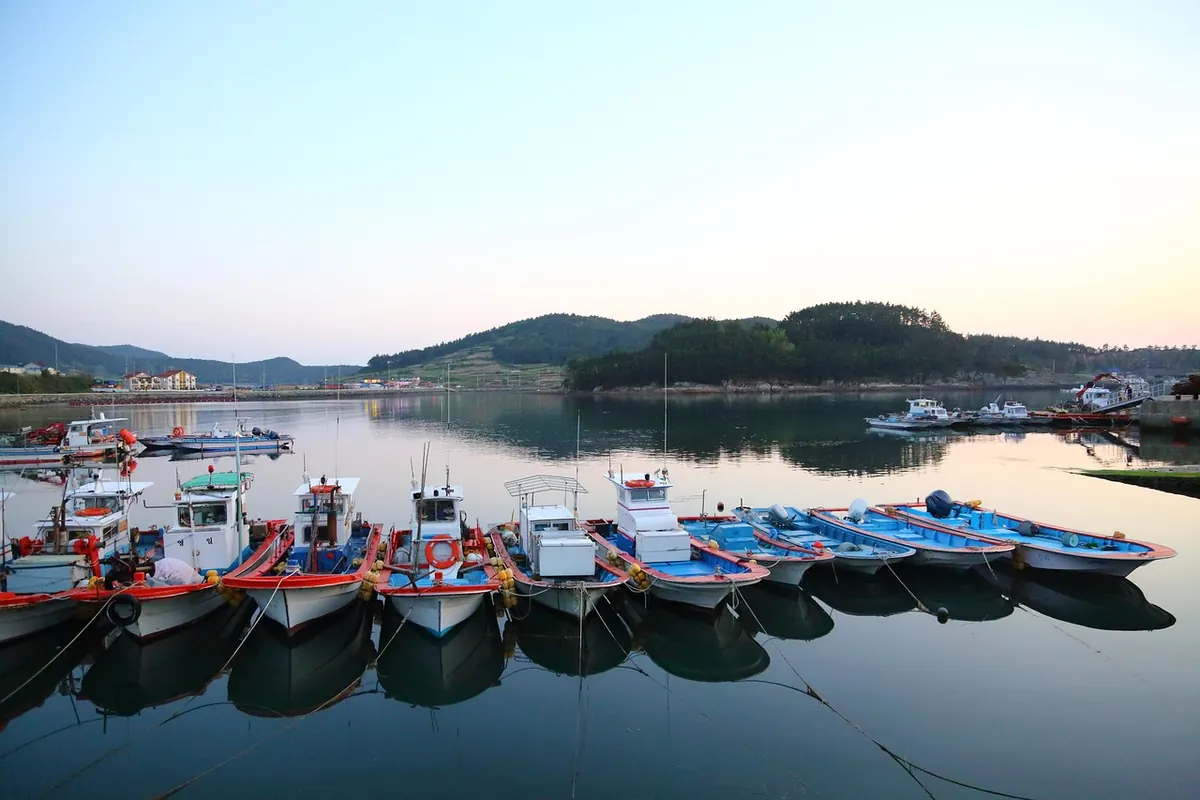
The first morning on an island tests your temperament more than your itinerary. The temptation is to treat it like an errand: see the harbour, climb the hill, find the beach everyone photographs, book the boat trip, and by noon you are sunburnt, mildly lost, and cannot quite remember what the water looked like. There is a quieter way to begin. What follows is a checklist for the first three or four hours only, the ones that set the rhythm for the rest of the week. It is not about seeing less. It is about seeing things in the right order.
Before You Step Out the Door
Give the room ten minutes. Unpack enough that it stops feeling like a suitcase, but not all of it; the full unpacking can wait until you know where the sun lands in the afternoon and which corner is best for drying a towel. Then assemble a small bag: a water bottle you refill rather than replace, a hat, sunscreen, and a little cash. Cards are accepted almost everywhere now, but small notes still make a market stallholder's morning easier, and there is always one place on an island that has run out of change.
Two pieces of paper are worth a glance before you leave. The ferry timetable, because it tells you how the island connects to the next one and how early the boats actually run. And the tide table in reception or by the harbour, because on many islands the good swimming and the walkable shoreline depend entirely on whether the water is coming or going. Neither takes more than a minute, and both save you a wasted afternoon later.
Walk First, Map Later
Resist the app for the first hour. Pick a direction and walk ten minutes, turn, and come back. Do it again the other way if you have the patience. This is not aimless. You are learning the shape of the place: where the road meets the water, where the shade falls, where the bakery is, where the pharmacy sign hangs, and where the bus actually stops rather than where the map says it does.
Three passes of the same shopfront and it becomes a landmark; a fourth and you stop noticing it, which is the point. You want the small things filed away before the day fills up. The drinking fountain. The bench with the good view. The narrow street that cuts the corner. The place where the pavement ends and the path to the cove begins.
What to skip on the first morning: the famous viewpoint, the museum, the church everyone tells you about. These are errands, not orientation. They will still be there tomorrow, and you will enjoy them more when you can walk to them without checking your phone at every junction.
Coffee Standing Up
The counter is the fastest, cheapest and least self-conscious way to be in a place. Order small. In most island café cultures, breakfast is a coffee and a pastry eaten quickly, and nobody expects you to make an event of it. If the menu is unfamiliar, look at what the person beside you is having. That is better research than any list.
Ordering Without a Script
Ask for the house version and take it as it comes. Ask what is local, or simply point at what looks good behind the glass. Long custom orders are a traveller's habit, not a compliment to the kitchen. And leave the laptop in the bag; ten minutes at the bar with no screen is a better introduction to the island than an hour at a table with one.
A Short Swim, Early
Twenty minutes, before ten o'clock if you can manage it. Choose somewhere you saw on your walk, ideally with a few other people in the water and an easy way out rather than a scramble over wet rock. Water shoes earn their place in the bag on exactly this kind of morning.
Leave valuables at the room. Swim where you can see the bottom, give a wide berth to harbour entrances and boat lanes, and if there is no lifeguard, be conservative about how far out you go. Currents around headlands are stronger than they look from the shore, and a first morning is not the moment to test your freestyle. Leave a little time after breakfast before getting in, and drink water afterwards; the sun is doing more work than you think.
Rinse off at the beach shower, put your shirt back on, and do not sit in the sun to dry. The swim is not the day's main event. It is a way of resetting your sense of the island's temperature and scale before the heat arrives properly.
The Market, Browsed Before Bought
Walk the whole market once before you take out your wallet. The first stalls are not the best stalls; they are simply the first. Prices tend to be similar, the produce is mostly what the season offers, and buying from someone who does not hurry you is worth more than saving a coin.
What to actually buy on day one: fruit for later, a bottle of water, bread, and maybe something to eat on the balcony in the evening. What to leave: the straw hat, the ceramic bowl, the woven bag. All of them are easier to judge once you have seen three other shops, and none of them will sell out.
Learn one word for thank you, and use it. Then find the tap, the bin, and the shade, in that order.
A Morning That Fits on One Line
The most common first-day mistake is not over-sleeping. It is over-scheduling: four stops before lunch, each one a small obligation that turns a holiday into a delivery route. Three anchors are enough for a whole morning, and two are often better. Here is a shape that works on almost any island.
- 7.30 — Out the door, water bottle filled, cash in pocket.
- 7.35–8.05 — The orientation walk. One direction, turn, back.
- 8.10–8.40 — Coffee and a pastry at the counter. No screen.
- 8.45–9.15 — Short swim, rinse, shirt back on.
- 9.30–10.15 — Market browsed end to end, fruit bought.
- 10.20 — Back at the room. Nothing else scheduled before four.
Notice what is missing. No boat trip, no museum, no hill. Those belong to a day when you already know how long it takes to walk to the harbour.
Keep the Afternoon Blank
After the market, go back. Shower, eat something light, and refuse to plan anything that requires a clock before late afternoon. The first morning's job was to make the island legible, and that work is done. What you do with the rest of the day should be decided by how you feel at the time, not by a list written at home three weeks ago.
One practical habit to carry into the evening: write down two things for tomorrow, never ten. Two is a plan; ten is a trap. And keep tomorrow's first hour as slow as today's, because the pace you set on the first morning is the pace you will probably keep for the whole stay.
The checklist is not a rule. If the swim turns into an hour on a rock, or the coffee turns into a second coffee and a conversation, let it. That is not a failure of the schedule. It is the morning doing its job.
Photo: KIMDAEJEUNG / Pixabay