
How to Choose the Right Island for a First-Time Mediterranean Trip
A week is short, the Mediterranean is large, and the islands in the brochures are not interchangeable. The caldera village that looks perfect in a photograph sits on an island with pebbly beaches, cruise crowds and a limited number of beds. The quiet island a friend loved has three ferries a week and one taxi. Choosing well is less about finding the best island than about matching an island to the trip you can actually take: the time you have, the money you want to spend, the pace you enjoy and whether you want to swim off sand or off rocks.
Start With the Ferry, Not the Photograph
Every island sits on a different ferry line, and that line sets your timetable, your budget and your tolerance for standing on a quayside at six in the morning. Before you fall for a village, look up how you would arrive and how you would leave.
Broadly, Mediterranean islands fall into three groups:
- Hub islands with airports and large ferries: Sicily, Sardinia, Crete, Mallorca, Corfu, Rhodes. Easy to reach, easy to leave, and busy enough that you never depend on a single sailing.
- Well-connected islands served by frequent fast ferries from a mainland port or a hub: Paros and Naxos in Greece, Hvar and Korčula in Croatia, Ischia in Italy, Gozo from Malta. These are the easiest places to build a two-island trip.
- Second-hop islands that need an extra connection or a long crossing: Folegandros, Sikinos, Vis, the Aeolian Islands, Pantelleria. Rewarding, quiet, and unforgiving if you only have five nights.
A useful test: can you get to the island and back to your departure airport without an overnight in transit? If not, you lose a day at each end of the trip. Also check whether fast ferries and conventional ferries both serve the route. Fast catamarans are quicker and pricier, they cancel more readily in wind, and they are less comfortable for anyone prone to seasickness. If that is you, ask a pharmacist what to take before you sail rather than after.
Match the Island to the Pace You Actually Want
Islands have personalities, and the mismatch is usually about rhythm rather than scenery. There are roughly three speeds.
Resort islands put everything within a fifteen-minute drive: beach clubs with sunbeds and a DJ, restaurants that expect a reservation, boutiques, boat trips leaving from the harbour each morning. Mykonos, Ibiza and the caldera side of Santorini work like this. They are excellent if you want a short trip with no logistics and you enjoy company.
Slow islands ask you to do one thing a day. You drive to a beach, you eat a long lunch, you swim again, you find a taverna in the evening. Milos, Vis, Menorca and Folegandros suit this well. Bring books. Do not book a slow island if you need a new bar every night.
Big islands are really small countries. Sicily, Sardinia, Corsica and Crete reward a week or more, and they punish a three-night visit. Crossing Sicily or Sardinia from one coast to the other eats half a day. If your trip is short, pick one corner and stay there rather than ticking off the whole island.
Choose the island for the trip you can actually take, not the trip you would take if you had another week.
Be Honest About the Beaches You Like
This is where photographs mislead most. A Cycladic beach may be a strip of coarse pebbles shelving into deep, clear water — beautiful, and hard on bare feet. Bring water shoes and you will be fine; expect soft sand and you will be disappointed by lunchtime.
As a rough map of the Mediterranean: the Balearics and Sardinia are strong on sand, with long beaches on Mallorca and Menorca and famous stretches along the Sardinian coast. Greece mixes sand and pebble, with the Cyclades leaning pebbly and islands like Naxos and Crete offering more sandy options. Malta is largely rocky with a handful of sandy bays, which is why so many visitors swim off ladders and platforms. Croatia offers small pebble and rock coves rather than long beaches.
Two more variables matter. Organisation: a cove with a beach bar, sunbeds and parking is a different day out from one reached by a dirt track with nothing but your own water bottle. And wind: in the Aegean, the summer meltemi can blow for days, so ask which coasts are sheltered — south-facing bays are usually calmer — and plan your beach by the forecast rather than by the map.
Where the Budget Really Goes
First-timers usually budget for accommodation and then get surprised by transport. On islands, transport is the cost that scales.
- Ferry tickets are priced per person, and a car adds a serious amount, especially on longer crossings.
- Rental cars cost the most in July and August, and automatics and small cars sell out first.
- Taxis are few and expensive; on some islands you cannot reliably hail one at all.
- Beach clubs, parking and boat trips add up faster than restaurant meals.
Compact islands with short crossings usually cost less overall. Malta and Gozo, Ischia, and Elba keep transfer time and car dependence low. Islands where you genuinely need a car — inland Sardinia, much of Corsica, rural Sicily — are not expensive in themselves, but the car, the fuel and the parking become part of the daily budget. Check current ferry timetables and fares directly with the operators rather than trusting an old blog post, and if you are travelling with a vehicle in high season, book the crossing in advance.
Five Island Personalities to Compare
- The all-rounder: Mallorca. Sand, mountains, short flights, good roads, food that goes well beyond the resort strip.
- The headliner: Santorini. Extraordinary scenery, heavy crowds, pebbly swimming, and it works best as a two-night stay rather than a base for a week.
- The slow small island: Milos or Vis. Fewer ferries, fewer people, better swimming and a pace that suits couples and solo travellers more than families with toddlers.
- The big island: Sardinia or Crete. Beaches plus mountains plus archaeology, on the condition that you pick a region and stay put.
- The easy first trip: Malta with a hop to Gozo. Short distances, English widely spoken, and a ferry you can take without planning a week ahead.
Pair Islands Without Wasting Days
For seven nights, one island plus one short hop is plenty. Each move costs you half a day: packing, the port, the crossing, the check-in. Two moves in a week and you have spent a full day of your holiday in transit.
Keep hops short. Paros to Naxos, Hvar to Korčula, Malta to Gozo and Ischia to Capri are all easy. Booking flights into one city and out of another — open-jaw — often costs little more than a return and saves a long backtrack at the end.
Before You Book: A Short Practical Checklist
- Confirm the ferry route, crossing time and how many sailings run per day in your chosen month.
- Decide whether you need a car. If yes, check that your accommodation has parking and book the rental early.
- Look at a map and measure the drive from the port to your bed — anything over an hour on a late arrival is a bad start.
- Read three recent reviews that mention the nearest beach, not just the hotel pool.
- Check the season: June and September are usually calmer and cooler than July and August, with more availability.
- Leave one unplanned day. Weather, ferries and appetite for doing nothing are all better handled with slack in the schedule.
Get those six things right and the island almost chooses itself.
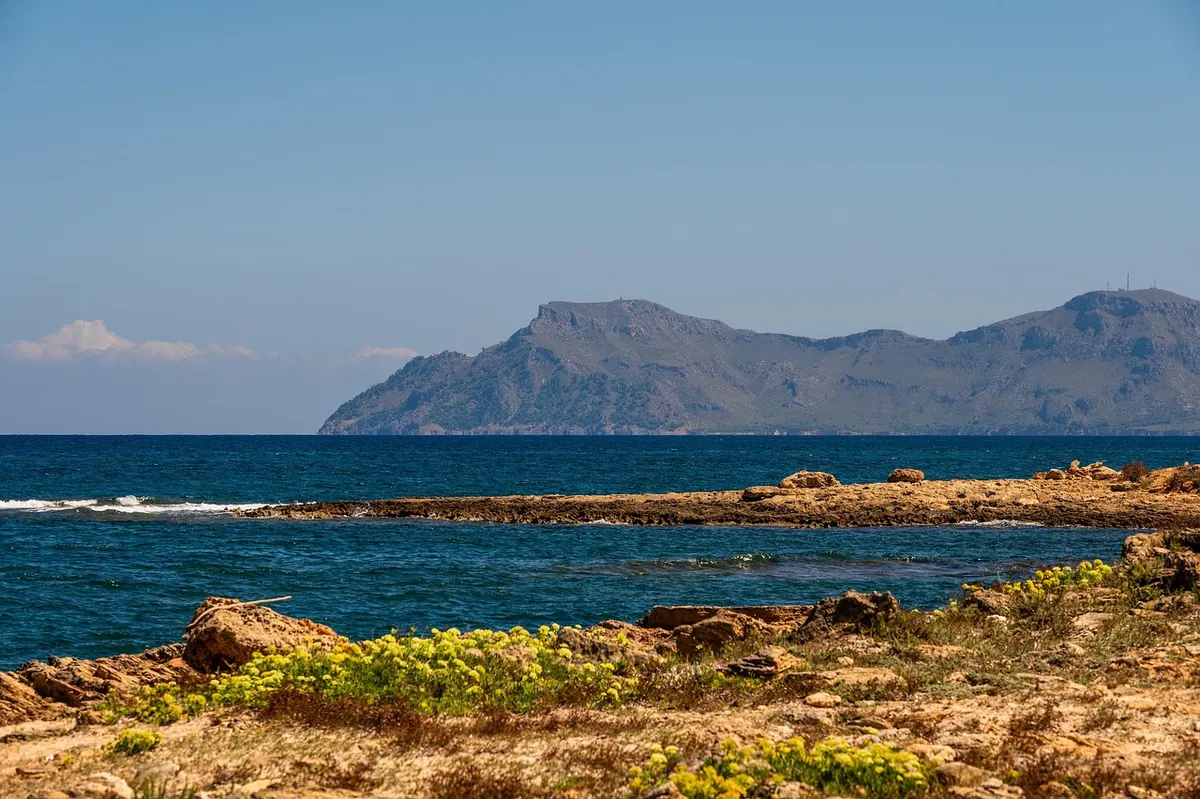
Photo: BernhardJaeck / Pixabay